
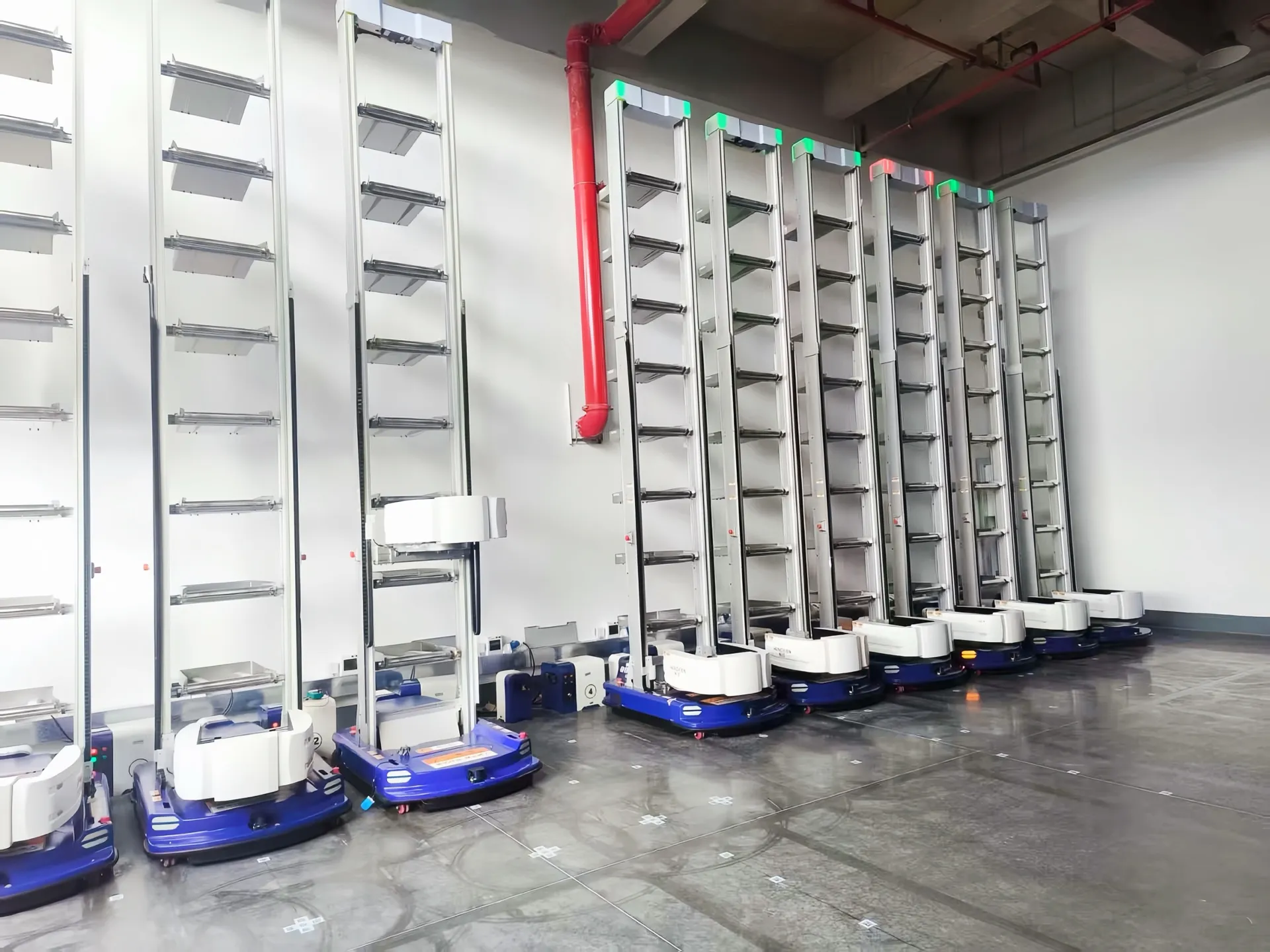
 Bin Robot
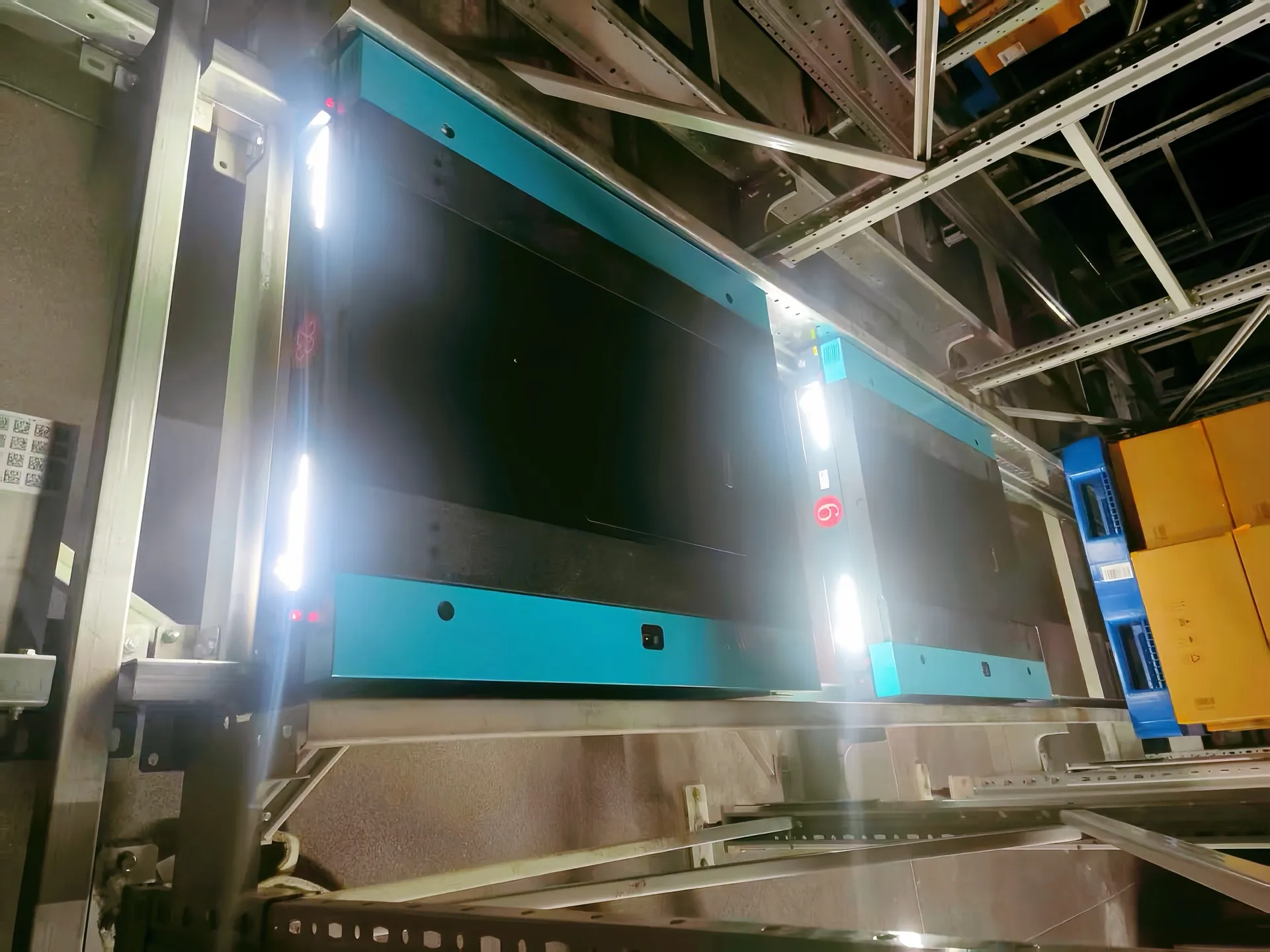
Automated bin storage & retrieval for high-density warehouses.
- 3x storage density in the same footprint
- 48,160 bin positions deployed at Li-Ning
- RFID-integrated option (Decathlon)
Automated Storage & Retrieval Systems — Designed for Efficiency.
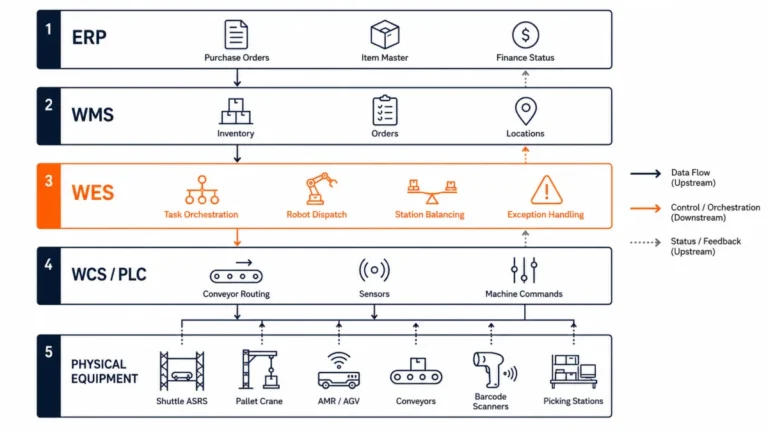
We design and integrate complete ASRS warehouse systems — bin robots, AGVs, picking robots and conveyors, orchestrated by our in-house WES that plugs into your existing WMS, ERP, and MES.
From fast-growing e-commerce brands to precision manufacturers, every system is built around your warehouse and goes live in 8–12 weeks — proven at Li-Ning, Decathlon and Carl Zeiss.





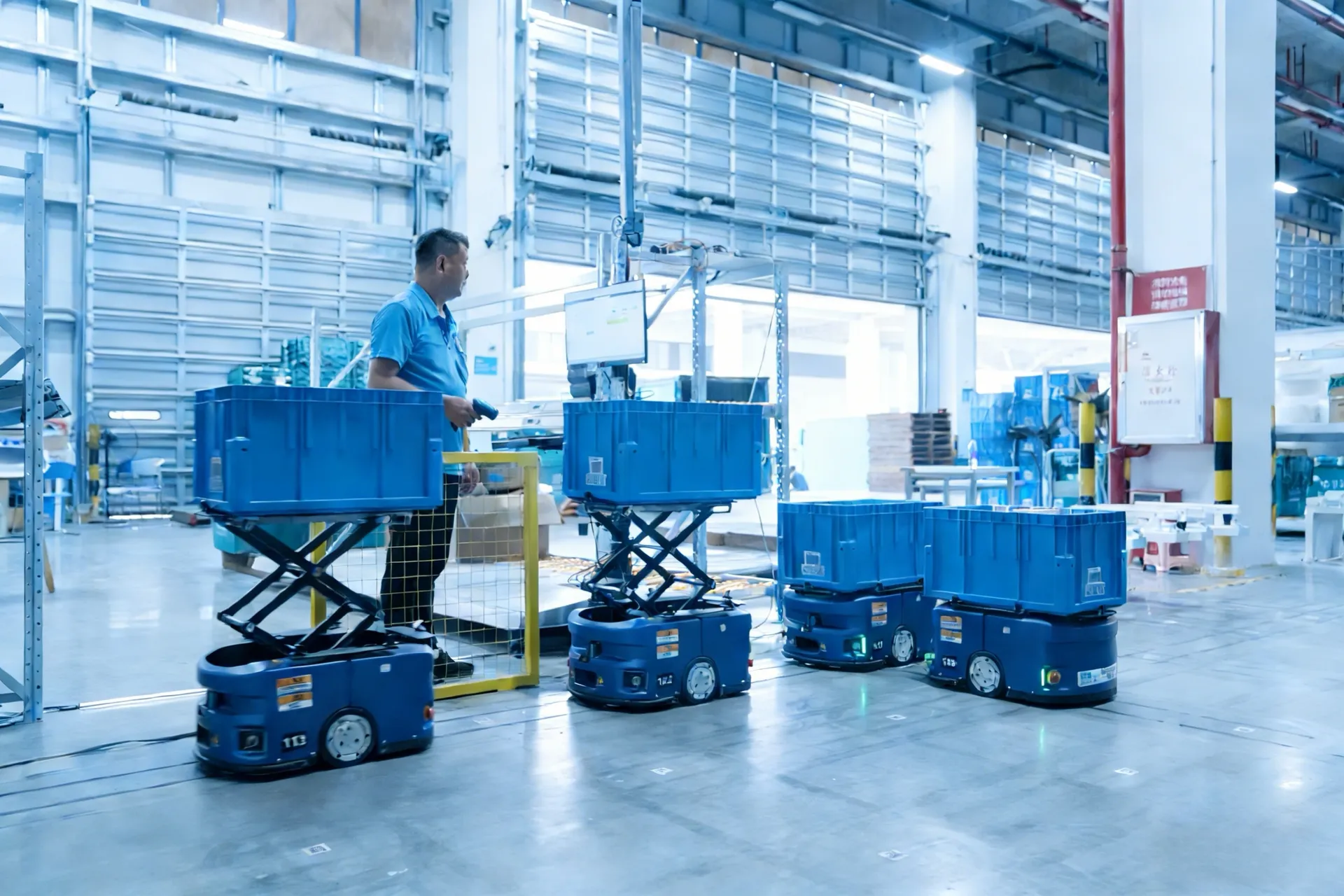
Autonomous mobile robots for smart warehousing — Picking Robots, Bin Robots, AGVs, and Composite AGVs.
View HardwareBin RobotAutomated bin storage & retrieval for high-density warehouses.
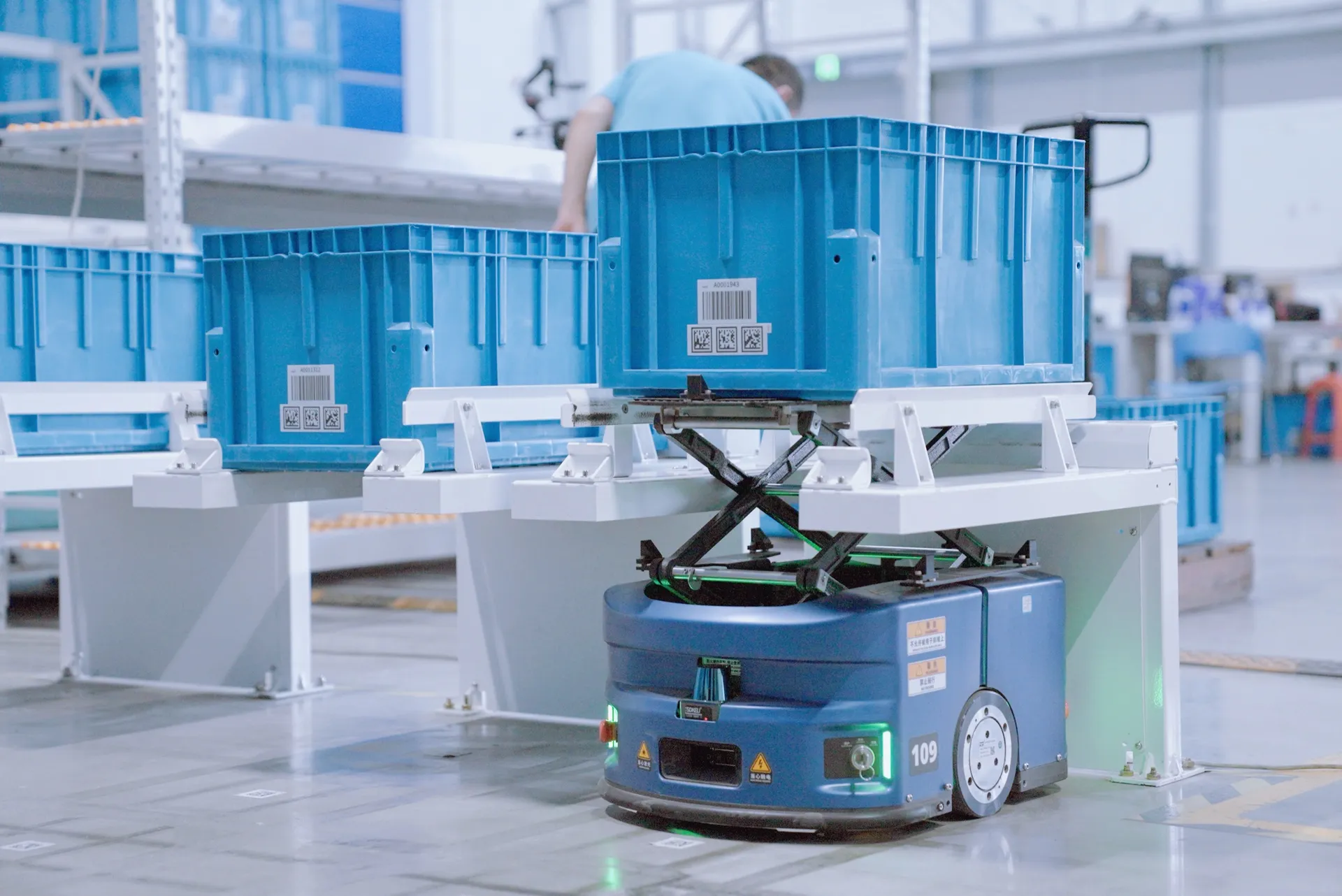 AGV
Automated guided vehicles with 300–600 kg payload options.
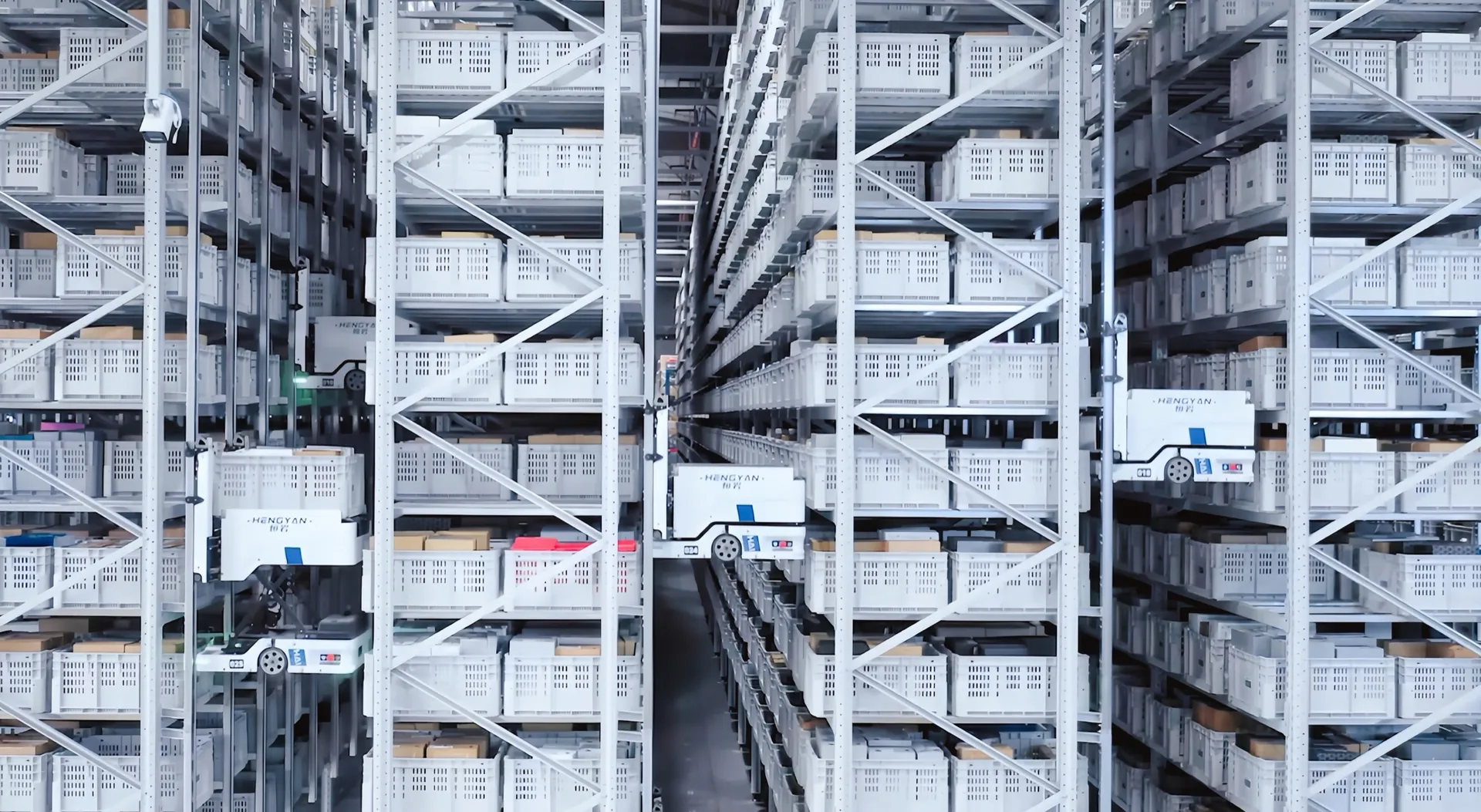 Picking Robot
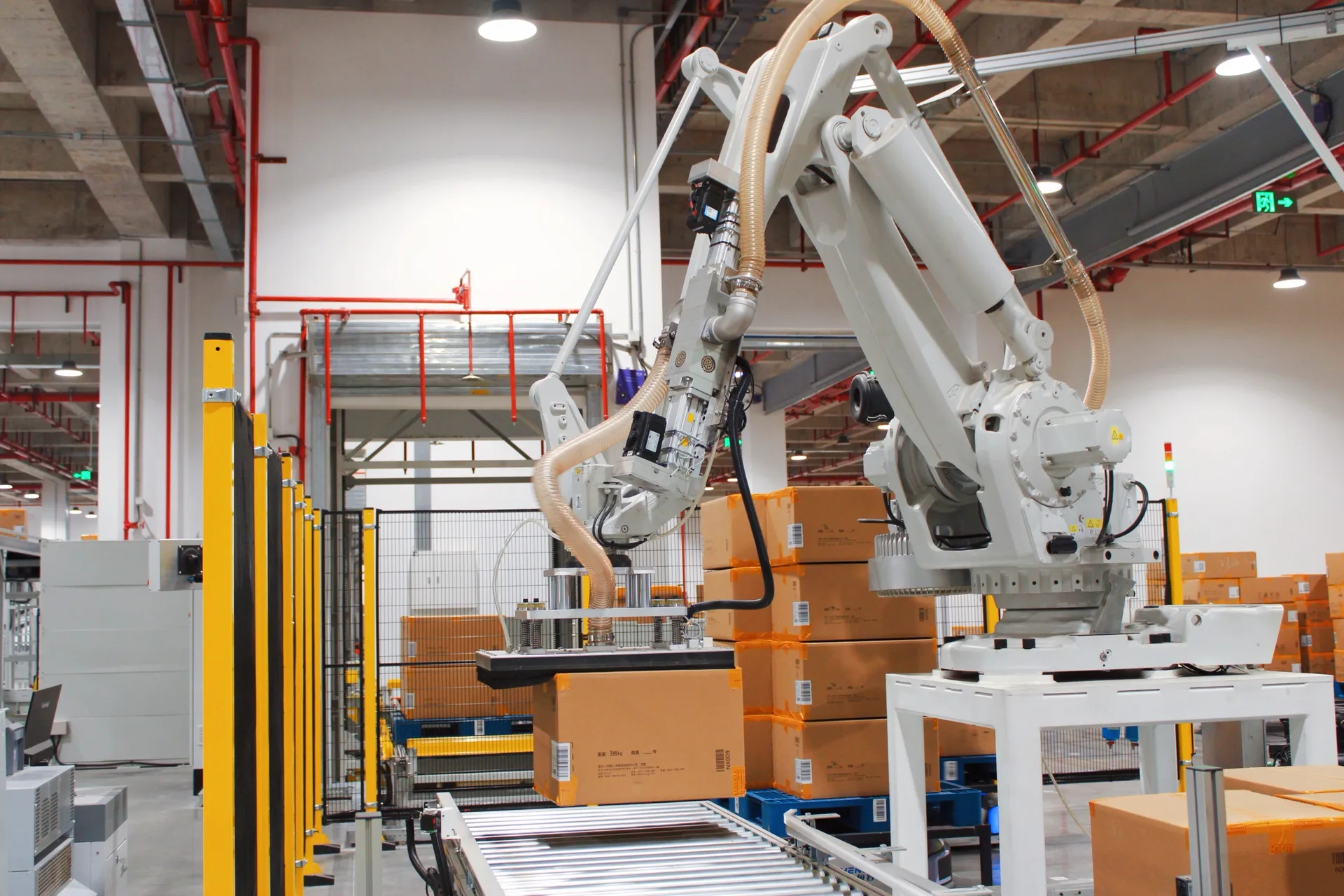
Efficient order picking with 1000 kg capacity.
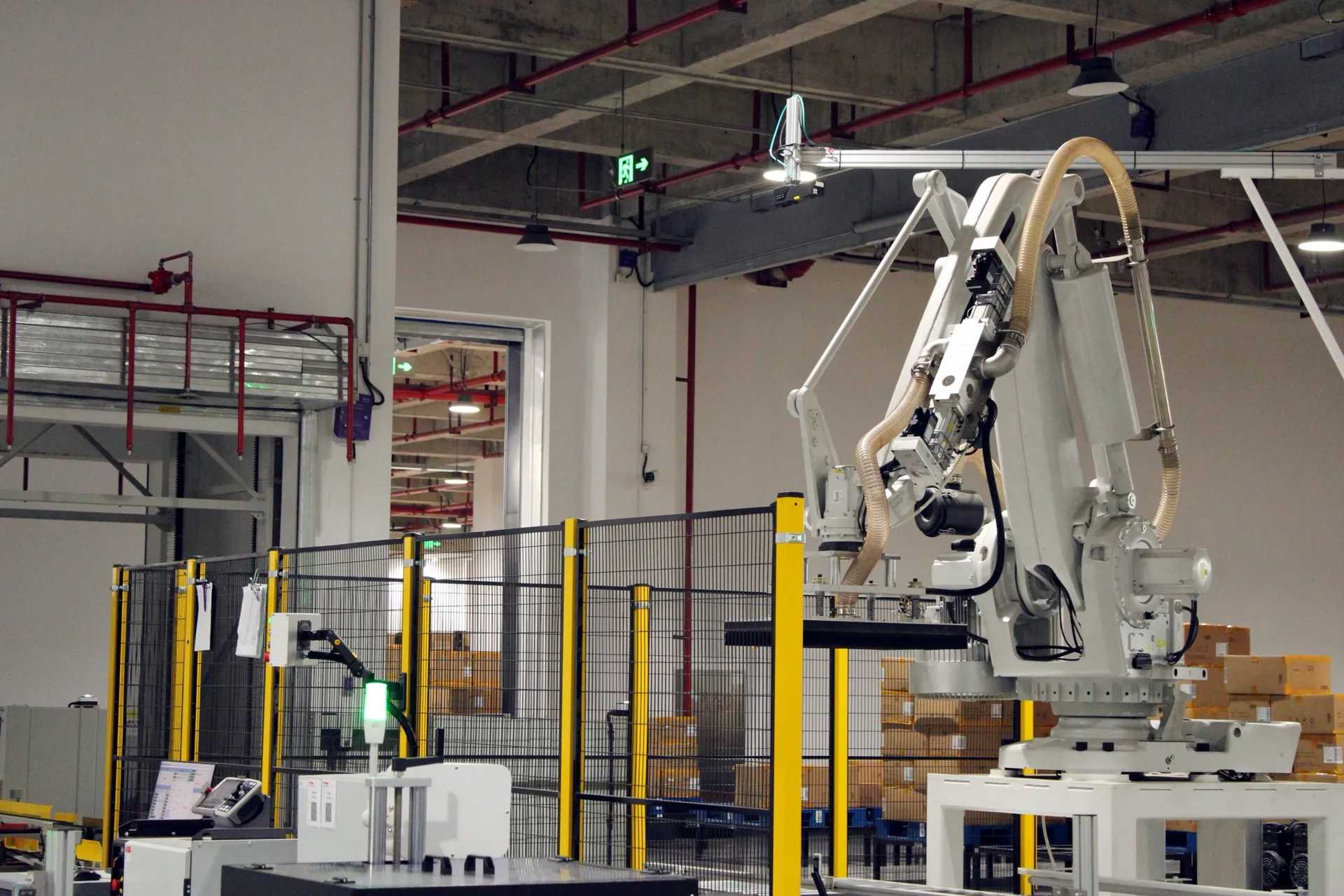 Composite AGV
Robotic arm + AGV integrated solution.
From e-commerce fulfillment to precision manufacturing, our ASRS solutions adapt to your industry’s unique demands.
Warehouse Automation by Industry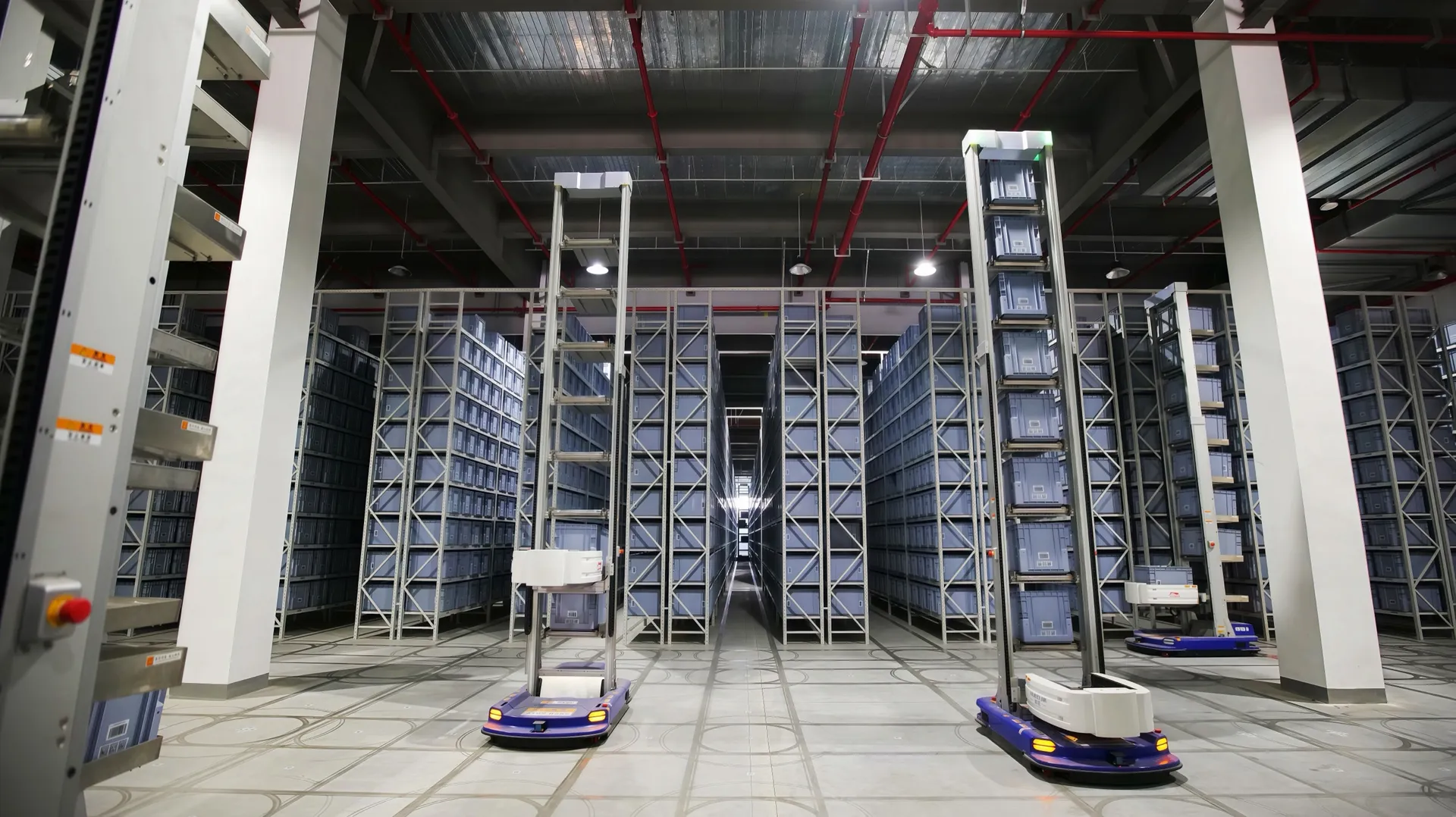
From initial consultation to ongoing support, we deliver a turnkey ASRS solution in four clear stages.
Start Your ProjectWe assess your warehouse layout, throughput targets, and SKU profile to define the optimal automation strategy.
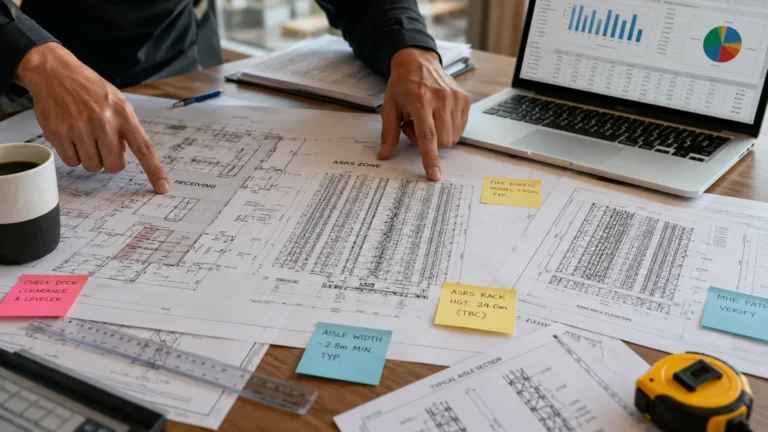
Our engineers create a custom ASRS blueprint with 3D warehouse simulation, equipment selection, and WES integration plan.
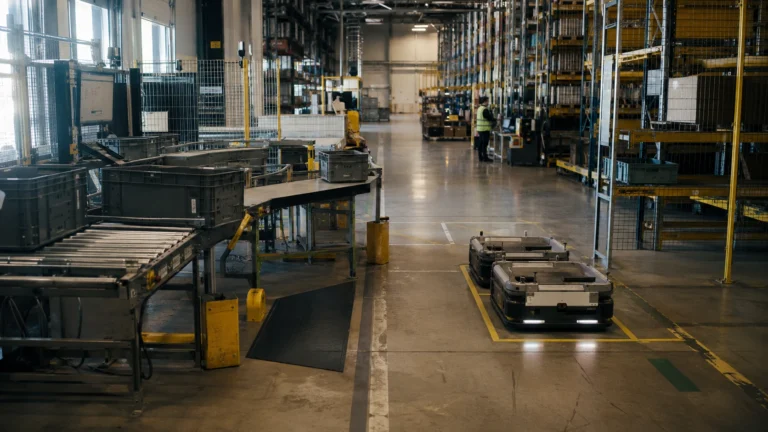
On-site deployment of racking, robots, and conveyors with full WES/WMS/ERP integration and operator training.
24/7 remote monitoring, preventive maintenance, software updates, and capacity expansion as your business grows.
See how leading brands transformed their warehouse operations with our intelligent ASRS solutions.
View All Case Studies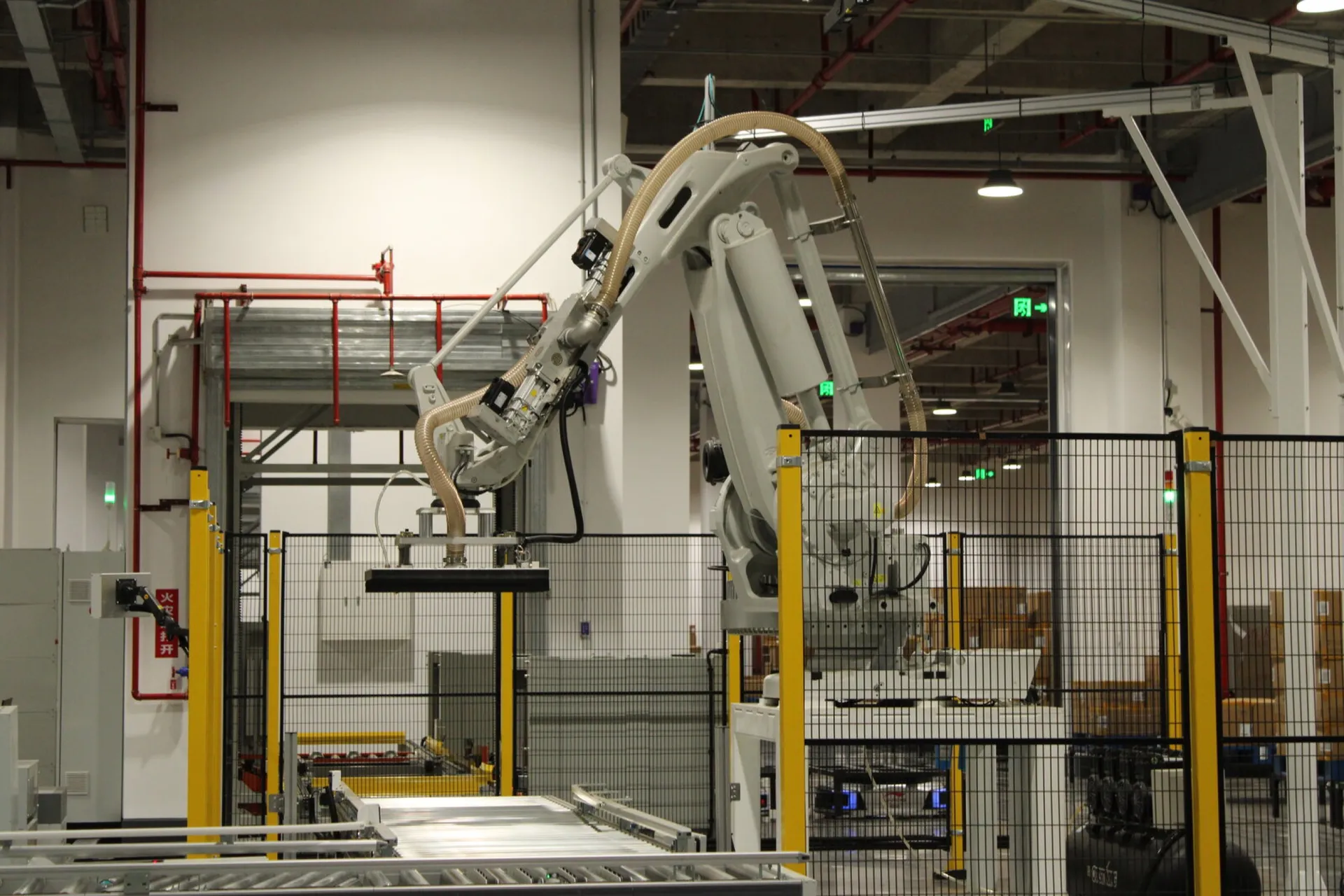
Li-Ning’s omni-channel fulfillment center needed to handle surging order volumes. Our bin robot ASRS solution transformed their warehouse operations.
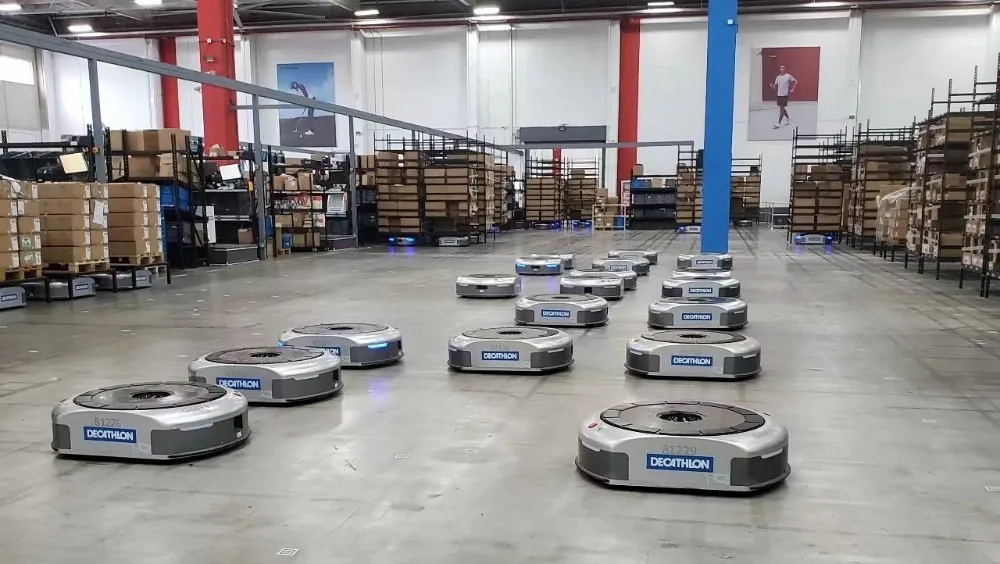
The world's largest sporting goods retailer needed a scalable automation partner for global warehouse operations across diverse facility layouts.
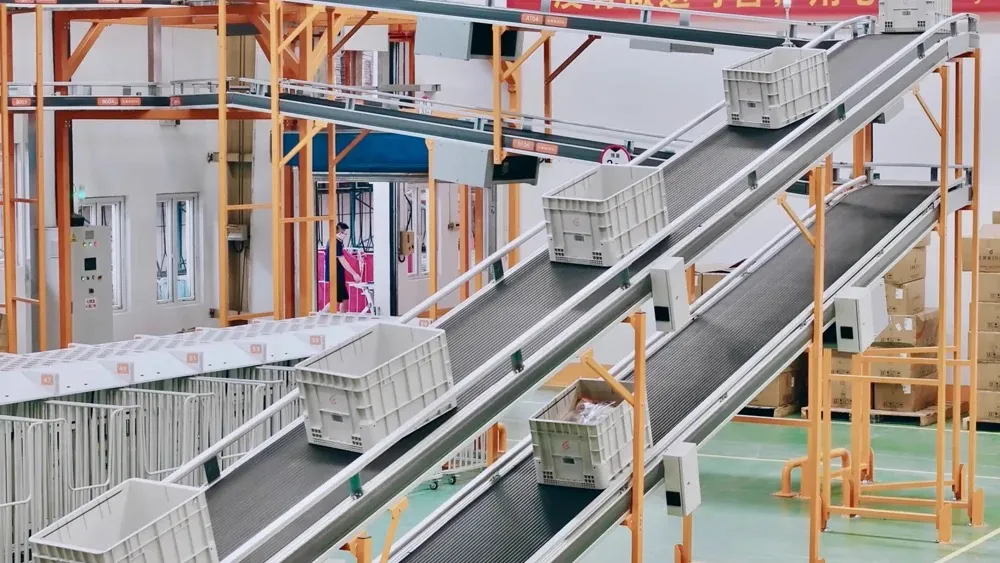
ERAL's high-SKU fashion warehouse required dense storage and rapid order processing to handle seasonal demand spikes.
An integrator, not a single-brand robot maker — so the system is built around your warehouse, not around one product catalogue.
About GoASRSWe integrate AGV, ACR, conveyor, and shuttle systems from multiple manufacturers — you get the best-fit hardware without vendor lock-in.
Our in-house WES platform plugs into your existing WMS, ERP, and MES with pre-built connectors — no rip-and-replace.
Vertical automation turns wasted ceiling height into usable storage — clients typically triple their capacity without expanding.
Standardized deployment from site survey to full operation — no 18-month mega-projects that disrupt your business.
Auto-scale robot fleet allocation during promotions — handle 5x daily orders without temporary labor.
From Li-Ning to Carl Zeiss — proven at scale across e-commerce, manufacturing, and 3PL.
See the projectsPractical guides on planning, specifying and running an ASRS warehouse — written from real projects.
View All Articles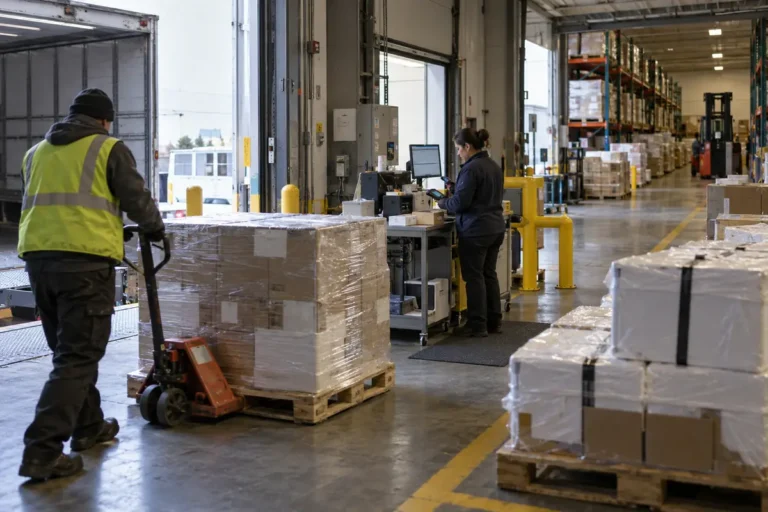
Specify a pharmaceutical warehouse ASRS system around compliance, accuracy, throughput conditions and validation evidence.
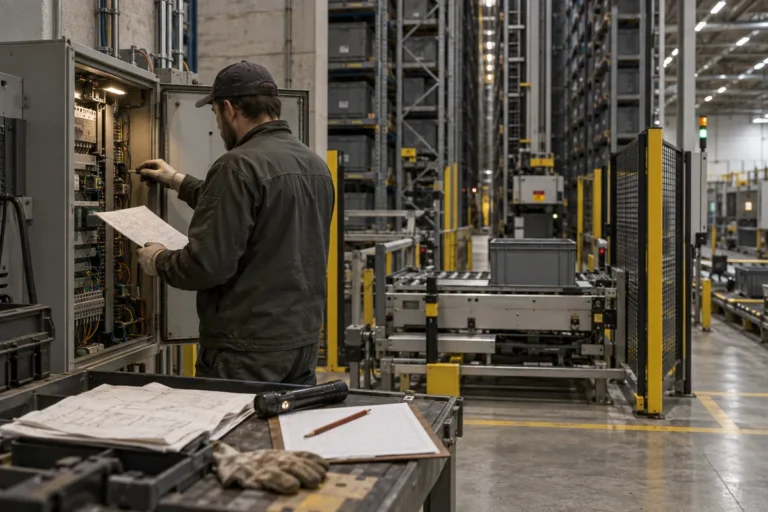
Learn what ASRS system maintenance should cover after go-live, from fault ownership and software changes to spares, upgrades, and service contracts.
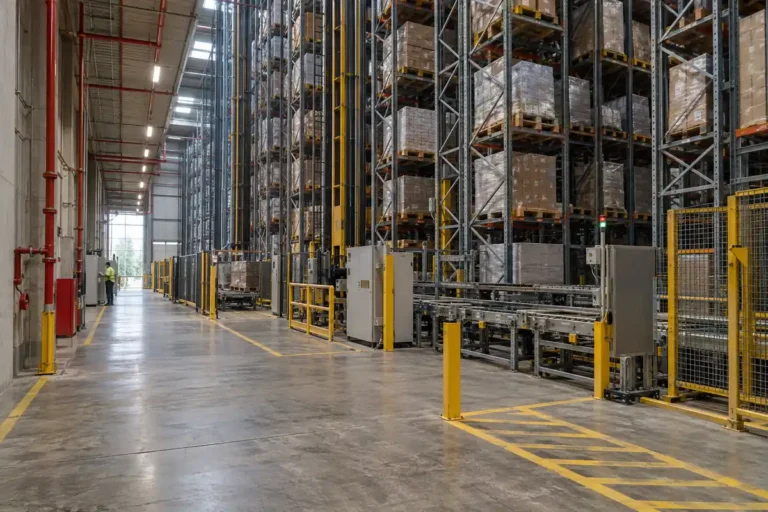
A practical guide to ASRS system fire protection, high-bay warehouse sprinkler design, code review, fire service access, and automation safety interfaces.
Get answers to the most common questions about warehouse automation, our integration approach, and what to expect when working with GoASRS.
Ask our engineersA robot manufacturer sells their own hardware — which means the solution is limited to what they make. As an integrator, we are vendor-neutral. We evaluate AGVs, ACR bin robots, shuttle systems, conveyors, and robotic arms from multiple manufacturers, then select the combination that best fits your warehouse layout, throughput targets, and budget.
Most real-world warehouses need more than one type of automation. A single-brand approach forces compromises; an integrator approach gives you best-in-class hardware for each task, unified under one control system and one project team. You get one contract, one point of accountability, and zero vendor lock-in.
Yes. Our in-house WES (Warehouse Execution System) is built on a microservices architecture with a protocol abstraction layer. It communicates with AGVs, shuttle systems, conveyors, robotic arms, and bin robots from different manufacturers through standardized interfaces.
We have successfully integrated equipment from Hikrobot, Geek+, Hai Robotics, Quicktron, and others — often within the same warehouse. The WES handles task orchestration, traffic management, and real-time optimization across all devices, so your operations team sees one unified dashboard regardless of how many hardware brands are running underneath.
You almost certainly don’t need a new building. Over 70% of our projects are retrofits — we design around your existing floor plan, ceiling height, racking, and workflows. Our engineers conduct a detailed site survey (remotely or on-site) and produce a 3D simulation that shows exactly how automation fits into your current space.
Vertical storage solutions like bin robots can triple your storage density within the same footprint, which often eliminates the need for a larger facility altogether.
Our WES platform dynamically allocates robot fleets based on real-time order volume. When orders surge, the system automatically rebalances task priorities, optimizes picking routes, and can bring standby robots online within minutes.
For clients who experience predictable seasonal peaks, we design the system with scalable capacity from day one — meaning you can add robots incrementally without re-engineering the layout. One e-commerce client scaled from 8,000 to 35,000 orders per day during a sales event with zero downtime.
Most of our clients see payback within 2–4 years, with some high-volume operations recovering their investment in under 18 months. The ROI comes from multiple sources: labor cost reduction (typically 50–70%), higher storage density (up to 3x in the same footprint), faster order fulfillment (3–5x throughput increase), and near-elimination of picking errors (99.9%+ accuracy).
We provide a detailed ROI projection during the proposal phase, based on your actual order volumes, labor costs, and warehouse metrics — not generic industry averages.
Every project includes a comprehensive after-sales package:
We also offer extended service agreements for clients who want guaranteed uptime SLAs, spare parts inventory on-site, and priority engineering support during peak seasons.
Tell us about your warehouse challenges — our team will design a tailored automation plan for you.